Source IP68 Waterproof Motorcycle Spotlight for Off-Road, Highway, and Emergency Use
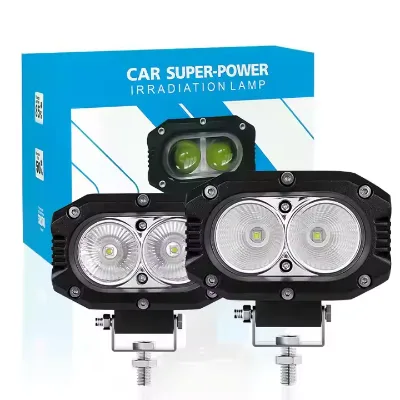
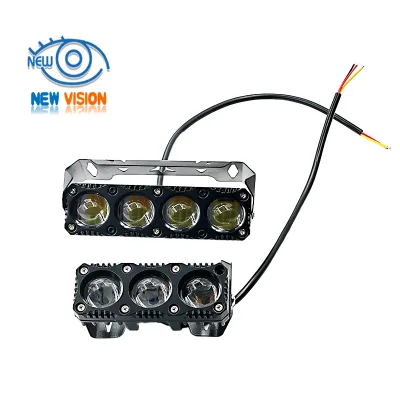
Compare 28 IP68 waterproof motorcycle spotlight options with varying voltage ranges and power ratings. Buyers can evaluate LED light sources, universal compatibility, and customization features for off-road, highway, and emergency applications; compare the available evidence and request quotations based on your requirements.
Key considerations
Products List





Comprehensive Sourcing Guide
IP68 Waterproof Motorcycle Spotlight Sourcing Guide
Sourcing IP68 waterproof motorcycle spotlights requires a disciplined approach to verifying environmental sealing and electrical compatibility. Buyers must prioritize suppliers who provide clear evidence of ingress protection ratings, ensuring the units can withstand submersion and high-pressure washing without internal condensation or failure. The core challenge lies in distinguishing between marketing claims and verified performance, particularly when dealing with universal fitment products that must interface with diverse vehicle electrical systems.
Procurement teams should focus on the intersection of mechanical durability and electrical safety. Since these lights are often mounted in exposed positions, the housing material and lens integrity are as critical as the waterproof rating. Understanding the specific voltage ranges and current draw of potential units is essential to prevent overloading vehicle circuits or causing premature bulb failure. This guide outlines the key verification steps for sourcing reliable, high-performance lighting solutions that meet rigorous operational standards.
Product Scope and Observed Listing Signals
The current market for motorcycle spotlights features a diverse array of models, with observed listings indicating a wide price range from approximately $0.66 to $523 USD. This variance reflects differences in build quality, material composition, and included features such as integrated light sources or customizable options. Buyers should note that minimum order quantities (MOQ) typically range from 1 to 200 units, allowing for both sample testing and bulk procurement strategies depending on the project scale and budget constraints.
Product attributes frequently highlight universal compatibility, making these lights suitable for various motorcycle types rather than being restricted to specific brands. Many listings specify DC voltage inputs, with common ranges including 10-30V, 12-80V, and 9-30V, indicating adaptability to different vehicle electrical architectures. The presence of LED light sources is standard, offering energy efficiency and longevity, while lens forms and lamp body materials like aluminum alloy contribute to heat dissipation and structural resilience in harsh riding conditions.
Technical Specifications to Verify
Voltage compatibility is a primary technical consideration, as motorcycle electrical systems can fluctuate significantly during operation. Buyers must verify that the selected spotlight supports the specific voltage range of their target vehicles, with observed specifications ranging from 9V to 80V DC. Mismatched voltage requirements can lead to immediate failure or reduced lifespan, so confirming the input range against the vehicle’s alternator output is crucial for ensuring stable performance under varying engine speeds and load conditions.
Waterproofing standards, particularly IP68, indicate a high level of protection against dust and water immersion, which is vital for off-road or adverse weather applications. However, buyers should also examine the lamp body material, with aluminum alloy being a common choice for its strength and thermal management properties. Additionally, verifying the current draw, often listed around 20W to 40W, helps in planning wiring harnesses and fuse protection to prevent electrical faults and ensure the spotlight integrates seamlessly with the motorcycle’s existing power distribution system.
Compliance and Safety Documentation
Certification requirements vary by destination market, but common standards include CCC, ISO9001, CE, FCC, and RoHS, which attest to manufacturing quality and environmental safety. Buyers should request valid certification documents to ensure the products meet regulatory requirements for import and sale in their respective regions. These certifications not only facilitate customs clearance but also provide assurance that the manufacturer adheres to recognized quality management systems and safety protocols during production.
Safety documentation should also cover electrical safety and material compliance, ensuring that components do not pose risks such as short circuits or toxic emissions. While specific test results may not always be publicly listed, reputable suppliers should be able to provide third-party test reports for waterproofing and electrical performance. Verifying these documents helps mitigate liability risks and ensures that the purchased spotlights are safe for installation and use in demanding motorcycle applications.
Cost Drivers and Commercial Terms
Pricing for motorcycle spotlights is influenced by factors such as material quality, certification status, and customization options. Units with advanced features like multi-color options or specific voltage ranges may command higher prices, while basic models with standard certifications tend to be more cost-effective. Buyers should analyze the total cost of ownership, including shipping, tariffs, and potential returns, rather than focusing solely on the unit price to make informed procurement decisions.
Commercial terms, including MOQ and payment conditions, play a significant role in the sourcing strategy. Lower MOQs allow for flexibility in testing and small-batch orders, while higher volumes may unlock better pricing tiers. It is essential to clarify lead times and packing details, such as carton dimensions and weight, to plan logistics efficiently. Understanding these terms helps in negotiating favorable contracts and ensuring a smooth supply chain operation from order placement to delivery.
Supplier Qualification and Quality Control
Supplier qualification involves assessing the manufacturer’s production capabilities, quality control processes, and track record in the motorcycle lighting industry. Buyers should verify the supplier’s ability to maintain consistent IP68 ratings across production batches, as waterproofing can be sensitive to assembly precision. Requesting samples for independent testing is a critical step to validate claims regarding voltage stability, light output, and environmental resistance before committing to large orders.
Quality control measures should include routine inspections of lamp body integrity, lens clarity, and electrical connections. Suppliers with robust QC systems will provide detailed inspection reports and have clear procedures for handling defects or non-conforming products. Establishing a strong relationship with a qualified supplier ensures access to consistent product quality and timely support for any technical issues that may arise during the procurement and installation process.
Long-Term Procurement Checks
Long-term success in sourcing motorcycle spotlights depends on continuous monitoring of product performance and supplier reliability. Buyers should establish feedback loops with end-users to gather data on real-world durability, particularly regarding waterproofing and electrical stability under extreme conditions. This feedback can inform future purchasing decisions and help identify any recurring issues that need to be addressed with the supplier through corrective action plans.
Regular audits of supplier performance, including delivery times, product consistency, and responsiveness to inquiries, are essential for maintaining a resilient supply chain. Buyers should also stay updated on changes in regulatory standards and market trends that may affect product requirements. By proactively managing these aspects, procurement teams can ensure a steady supply of high-quality, compliant motorcycle spotlights that meet the evolving needs of their customers and applications.
FAQs
What voltage range do these motorcycle lights support?
These lights support a wide voltage range from 9 to 80 volts DC. Specific models operate at 12V, 12-30V, or 12-60V depending on the configuration. This flexibility ensures compatibility with various motorcycle electrical systems without requiring additional converters.
Can I customize the color and style of these lights?
Yes, customization is available for these motorcycle lights. Standard options include white, yellow, amber, red, and blue colors. Buyers can request specific color combinations or styles to match their vehicle requirements while maintaining the IP68 waterproof rating.
Which certifications do these products hold for safety?
These products hold CCC and ISO9001 certifications for quality assurance. Additional models may also carry CE, FCC, and RoHS certifications. These standards ensure the lights meet international safety and environmental requirements for reliable operation in diverse conditions.
How waterproof are these LED motorcycle spotlights?
These spotlights feature an IP68 waterproof rating for maximum protection. They are fully dust-tight and can withstand prolonged immersion in water. This makes them ideal for highway use and exposure to heavy rain or harsh weather conditions.
What is the minimum order quantity for these lights?
The minimum order quantity varies by supplier but can start as low as one unit. Some listings specify an MOQ of 100 units for specific models. Buyers should check individual product pages to confirm the exact quantity requirements for their order.
Which materials are used for the lamp body construction?
The lamp body is constructed from durable aluminum alloy. This material provides excellent heat dissipation and structural strength. It ensures the light remains robust during vibration and impact while maintaining the IP68 waterproof seal for long-term reliability.